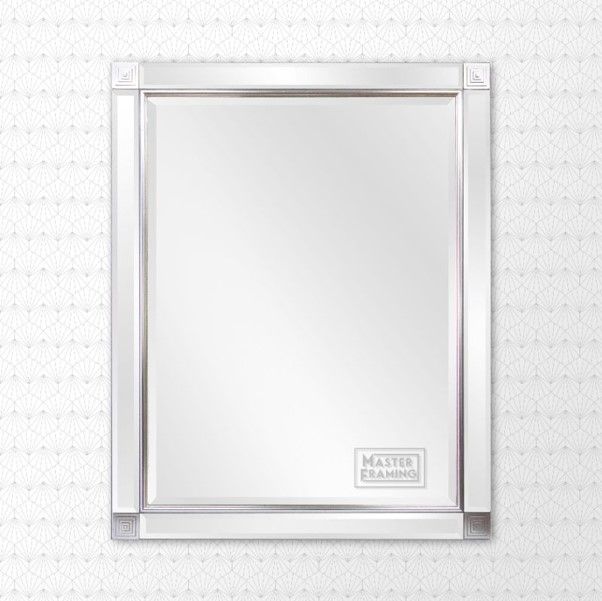



What is a Canvas Float Frame and Why Do You Need One?
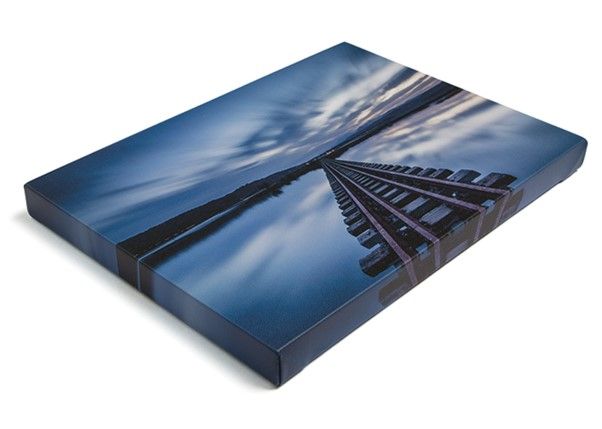
Canvas prints are having a moment, and it's easy to see why. They're bold, they're personal, and they turn a favourite photo into something that looks like art on your wall. But there's one detail that trips a lot of people up: how do you actually frame it?
If you've searched for canvas print framing in Sydney, you've probably stumbled across the term "float frame" and wondered what the fuss is about. Turns out, it might be exactly what your canvas is missing.
Here's a quick rundown on what a canvas float frame is, why your art would look great in one of these frames, and when a traditional frame might suit you better instead.
What Is a Canvas Float Frame?
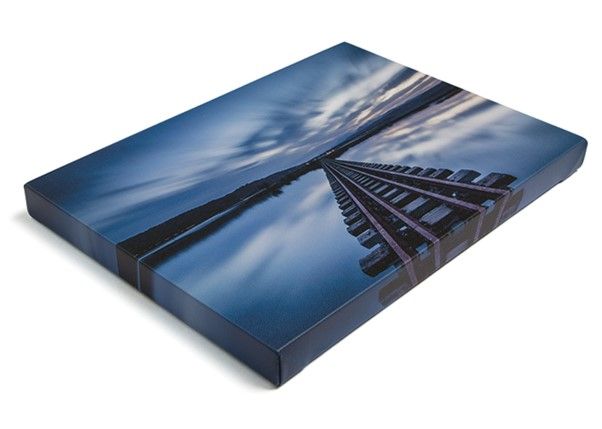
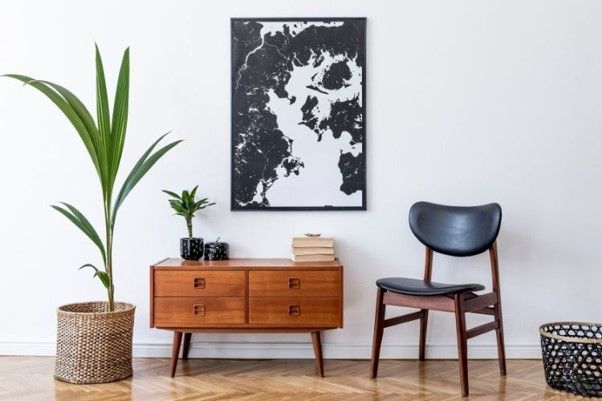
A canvas float frame is a contemporary method of showing off your art. It is a stretched canvas mounted inside an open-fronted frame. It leaves a conscious gap of around 6mm between the canvas edges and the inner frame wall. This creates the illusion that the artwork is floating in the frame.
This leaves a totally unobstructed view of the entire artwork. Sometimes normal frames cut off the edges of the art if it goes all the way to the edge of the canvas. A float frame means you see all of the artwork.
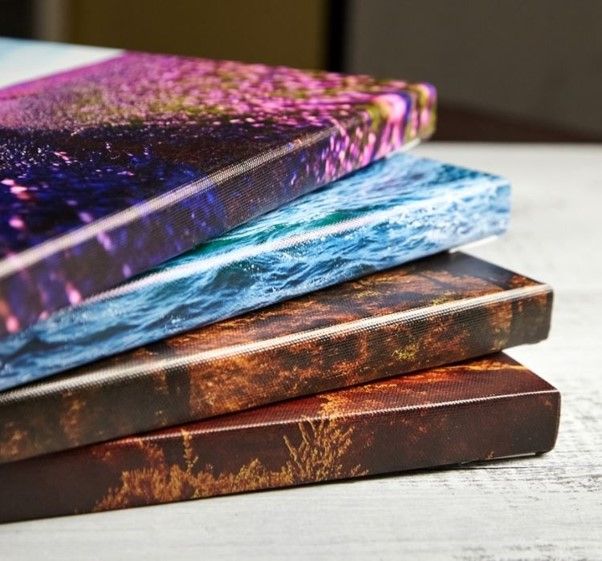
A dramatic shadow is created with a float frame. A subtle moat of shadow surrounds a canvas, giving a dramatic feeling of depth. Your art stands out on your wall.
By keeping the canvas clear of the frame, the unpainted corners are protected from everyday wear and tear that can occur when there is contact with the frame.
How is Float Framing is Done
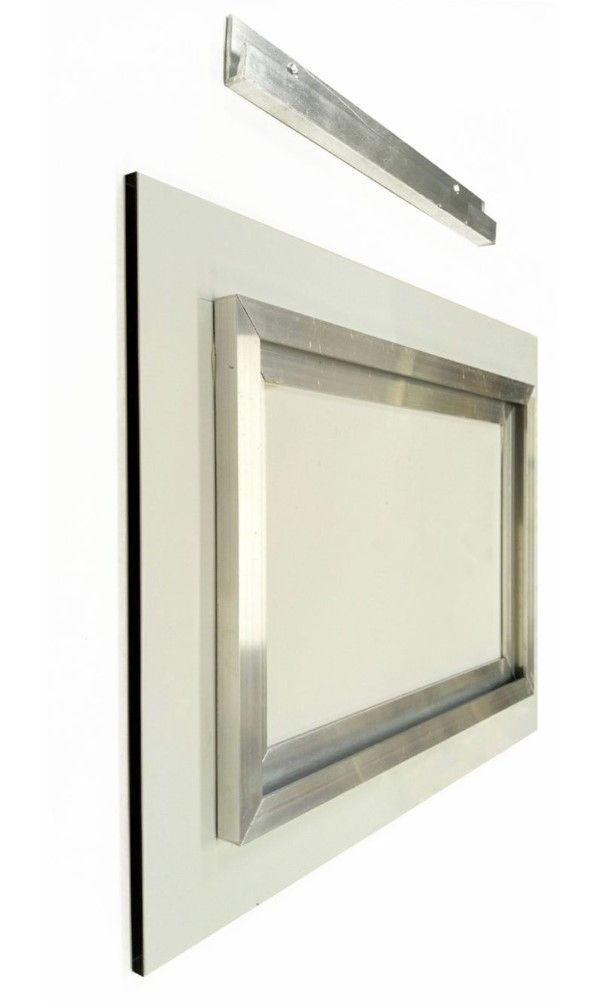
The artwork, the canvas, is loaded into the frame through the front. It is secured from behind using offset clips or screws. The canvas itself rests on a hidden shelf inside the frame so it sits slightly recessed from the front edges of the frame. A simple trick that looks incredibly sophisticated.
How Is It Different from Traditional Framing?
The most significant difference between traditional framing and canvas float framing is the gap between the frame and the art. In traditional framing, the frame overlaps the canvas. With a float frame, you can see the canvas edge to edge. It deliberately leaves this gap for a dramatic appearance, making it appear the canvas is suspended in air.
If you have some art that travels from edge to edge, and has significant portions that cannot be covered up by a frame, then the floating frame is especially important for your artwork. Some art even goes over and around the edges, and needs to be appreciated. Traditional frames hides this from the viewer.
Floating frames generally don’t have a glass or acrylic front to them. You can see the texture of the canvas, just like you would in an art gallery. A glass front can make the art feel flat. Also, framing photos or paintings on paper need the glass to protect them from the elements. Not so much canvas prints.
Mounting is different between the two styles of framing. Traditional framing has the artwork loaded from the rear and resting on the inside edges of the frame, where you lose the vision of what's on the canvas’s edges. And then it is fixed with nails or flexi tabs and then the backing added to seal it in. With float frames, the canvas is loaded in from the front and screwed into the frame from the back or sides through an inner lip. This gives you a clean finish when viewed from the front.
Why You Might Need a Canvas Float Frame
Many of the reasons you would want a canvas float frame revolve around the look and feel and sophistication that you bring to the artwork and to your home.
A float frame is dramatic with a minimalist aesthetic. For modern or contemporary art they are the new standard for displaying your work. They are clean without the distraction of a mat board or an overly dramatic frame surrounding the art, sometimes taking the focus away from the canvas itself.
A floating frame creates a dramatic shadow effect as well. With a small gap around the perimeter, often as little as 3mm, a delicate shadow line is created, further showing the distinction between artwork and frame.
As previously mentioned, you’d want a floating frame if the canvas you’re displaying is painted all the way to the edge, or sometimes even around the sides of the canvas. A floating frame gives you a chance to display all of the art, as it was intended.
When to Consider an Alternative
While we acknowledge that canvas float frames are dramatic and striking and can display your artwork beautifully, sometimes a traditional frame or shadow box might be the best solution for you.
If the sides of your canvas are bare or not part of the art, or if there are visible staples holding the canvas, a float frame will keep these exposed and visible.
Sometimes the style of art that you have lends itself to a more traditional style of framing. What you hang on your wall is a complete piece of art, from the canvas to the frame and to the way you light it. Traditional frames may be more complementary to the artwork than a modern, minimalist look.
Some art needs glass or acrylic protection from the elements. Float frames generally do not include this protection. If your art is older, or you’re going to have art hanging in notably dusty areas, such as rooms that are open to the outside world, a frame with glass protection would be a good choice.
Getting a Canvas Float Frame in Sydney
At Master Framing, we've been helping Sydney locals get the best out of their artwork for over 25 years, and float framing is one of our most popular choices for canvas. If you've already got a design ready to go, or you're starting from scratch and want to print canvas online in Sydney before it's stretched and framed, our friendly team can talk you through the right frame style, colour and finish for your space.
Whether you're after custom canvas in Sydney or delivery further afield, we offer framing both online and in-store, with fast turnaround on the order. If you're not sure whether a float frame or a traditional frame is the right call for your piece, our experienced framers are always happy to help you figure it out.
Get in touch with Master Framing today to arrange your custom canvas float frame, or start designing online now.
Frequently Asked Questions
How big is the gap around the canvas in a float frame?
Typically around 3 to 6mm, just enough to create that "floating" illusion and a subtle shadow line, without leaving the canvas edges too exposed.
Do float frames include glass or acrylic protection?
No, float frames are generally left open-fronted so you can see the full texture of the canvas. If your artwork needs protection from dust, sunlight or the elements, a traditional frame with glass might be a better fit.
Can any canvas be framed with a float frame?
Most stretched canvases suit float framing well, especially if the artwork runs to the edges. If the sides of your canvas are bare, stapled, or not part of the design, our team can help you decide whether a float frame or a traditional frame will look best.
How long does custom framing take?
Turnaround depends on the size and complexity of the job, but our team works to get your framing completed and ready as quickly as possible without compromising on quality. Get in touch with your local store for a more specific timeframe.
Can I order online, or do I need to visit a store?
Both. You can design your frame online and have it delivered Australia-wide, or visit one of our Sydney stores (Waterloo, Clovelly, Bondi, Double Bay/Bellevue Hill or Mosman) to speak with our team in person.
What materials do you use in your frames?
All our materials are acid-free, helping to protect your artwork and photographs from yellowing or deterioration over time. We've been perfecting our craft since 2000, so quality materials and finishing are non-negotiable.