


Why Do Photos Turn Yellow? The Importance of Acid-Free Matting
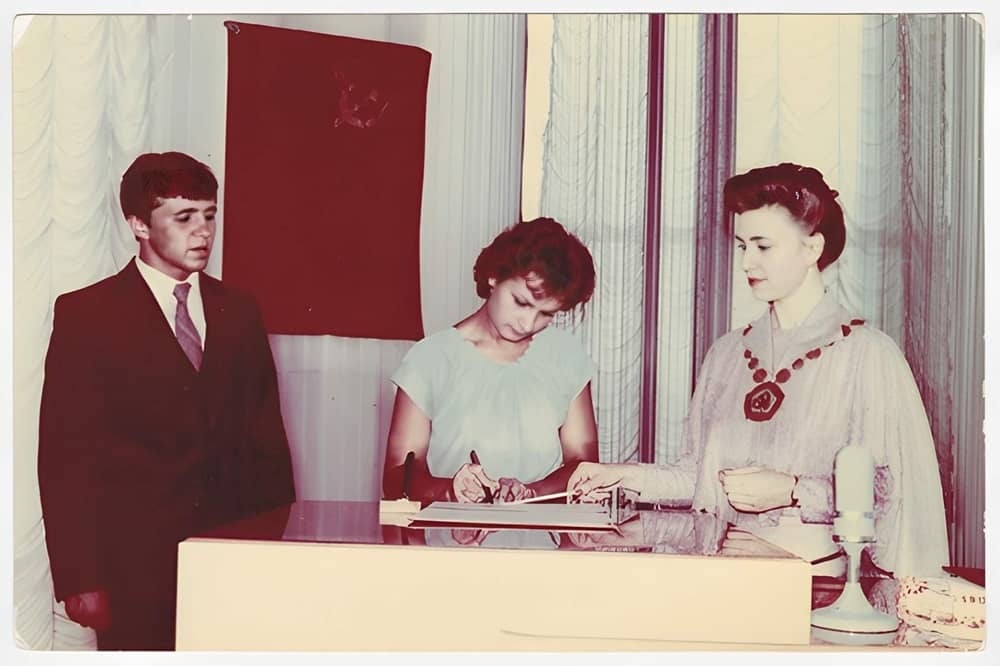
You're going through old photos from years gone by, only to find one has gone yellow, brittle, or marked with tiny brown spots. How can this be? It’s been framed and hung on the wall, out of direct sunlight, yet it looks worn. It’s frustrating to discover this, especially when the photo has huge sentimental value to you.
The good news is that this kind of damage is almost always preventable, and the team at Master Framing, your local Sydney picture framing specialists, know it usually boils down to one overlooked detail inside the frame - whether or not you’ve used acid-free matting to protect your photo.
It's Not Just Sunlight
While yes, exposure to direct UV light can fade a photo and make it turn yellow, it’s not always the culprit. Physical prints can fall victim to ageing, humidity and poor storage. Digital photos, too, can begin to lose colour.
1. Physical Prints
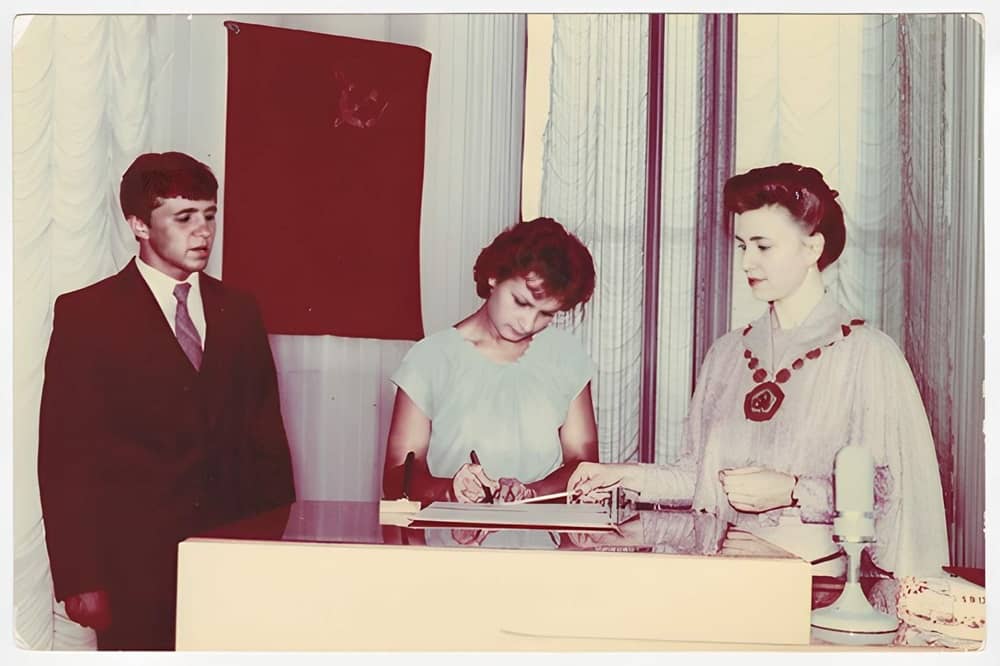
Older films and prints relied on organic dyes to develop and bring out the photo: cyan, magenta and yellow. Cyan and magenta fade quickest of the three dyes, which leaves a dominant yellow hue on the photographs.
Old style wooden frames, with a stain applied to them, often contain trace amounts of acidic chemicals. Not huge amounts, but over time these materials break down and leach onto the photo, leading to yellowish stains on the paper.
Heat and moisture also impact a photo’s wear and tear. The paper can expand and contract with the changing temperature which accelerates the chemical breakdown described above.
2. Digital Images
Digital cameras interpret light differently to the human eye, and can change depending on ‘colour temperature’. If you’re shooting indoors under warm incandescent or LED lights (around 2,700 K) but your camera is set to ‘daylight’ (around 5,500 K), it will overcompensate and cast a yellow hue over the entire image.
Sometimes it can be the monitor you’re viewing the digital images on. While the image may look great on the screen, when you print it out, the colour settings may be different. It could be the printer itself doesn’t have the same range of colours as what you view on your monitor.
Some digital cameras apply a tone to an image, such as ‘warm’. What this means is the camera will boost warm colours, such as yellow and orange.

What Acid Migration Actually Does to a Photo
The primary reason photos turn yellow is the unstable organic dyes used, and the fibres of the photographic paper degrade over time. There are mild traces of acidic material in photo albums, the tape used to hold photos in place, mounting boards and frames. All these sources leach acid into the photos, accelerating the chemical degradation, giving your photos that faded, yellow hue.
- Acid Hydrolysis. Acids break down the complex dye molecules into small, colourless fragments. Cyan and magenta decompose faster than yellow. This is why photos appear yellow after time. Left long enough even the yellow dyes would fade, leaving a highly faded image.
- Paper Breakdown. Many older photo paper stock and mount boards contain lignin, a natural glue found in wood pulp. As it breaks down it turns acidic, not only degrading the dyes, as described above, but also causing the photos themselves to become brittle.
- Oxidisation. Oxygen reacts with decaying dyes and paper fibres, further bleaching the photos. This makes the photos duller and more faded.
What can you do?
Remove your valuable photos from old frames, take them out of those sticky photo albums and away from the acidic holding tape. Have them mounted in frames by a specialist picture framing company in Sydney, and use archival storage materials with a pH-neutral buffer.
Ultimately, you can scan and digitalise your photos. Technology can bring them back to colourful life and reprint them as if they were new again.
Why Acid-Free Matting Makes the Difference
To halt the chemical breakdown and oxidation of your treasured memories you need to physically and chemically protect them. Acid-free mats, or mounts, do a great job in this, by achieving a neutral or alkaline pH.
- It stops acid migration. An acid-free mat puts a barrier between the photo and the material it is mounted on. Some frames have purified pulp or fabric backing, which have acidic elements, so the mat protects your photo from acid moving from the pulp to the paper.
- No lignin. The newer backing mounts don’t contain lignin and hence don’t produce the acidic elements that break down the pigments.
- Physical barrier. An acid-free mat also stops the photo from touching the inside glass of a frame. This allows airflow, lowering humidity and moisture. Moisture and condensation can lead to mould, and further damage to your photo.
If you are preserving family memories, or valuable prints, ensuring all materials inside the frame package (mats, backing boards, and mounting tapes) are labelled as true archival or conservation-grade is a vital step to prevent permanent damage.
A Few Other Things That Speed Up Yellowing
While acids are the major cause of yellowing in photos, there are other things that can cause yellowing, or speed up the oxidation process.
UV light and direct sunlight are bad for photos. Ultraviolet rays and strong indoor lighting emit high-energy photons. These actively break down the bonds in photographic dyes and silver chemicals. This strips vibrancy from a photo, leaving behind those warm, yellowy colours.
High heat and high humidity are bad news for photos. High temperatures give more energy to chemical reactions degrading photos more quickly. High humidity allows moisture to seep into a photograph’s gelatin layer, which accelerates the chemical breakdown of the colour dyes. Always try to keep rooms with photos and art cool and dry, to stop this from happening.
Pollutants in the air will have an impact on photos and art. Cigarette smoke, smoke from wood-burning fires and household cleaning chemicals all release oxidation chemicals which turn photos yellow. They can even have an effect on photos produced with inkjet printers.
Over-handling of photos, without cotton gloves, can be a problem. Natural human oils are acidic and will leave a residue on the surface of things they touch. If you’re handling the actual photographs themselves, this can lead to dye degradation and yellowing of a photo.
Protecting Your Photos for the Long Haul
Yellowing photos are rarely down to just one cause. Unstable dyes, acidic paper and backing and even the way a digital file was processed can all play a part, often at the same time. The good news is that the biggest factor for physical prints, acid migration, is also the easiest one to control.
Getting your valuable photos and artwork into proper archival framing with acid-free matting won't undo damage that's already happened, but it will stop the clock on further deterioration. Pair that with a stable spot out of direct sunlight, away from heat and humidity, and you've covered most of what causes a photo to fade or yellow in the first place.
Master Framing has used acid-free matting and conservation-grade materials across every frame since 2000. No matter where you are in Sydney, getting professional advice on acid-free matting is worth the trip. Master Framing has stores across Zetland, Clovelly, Double Bay, North Bondi, and Mosman, with each team able to talk you through the right archival materials for your photos and artwork.
Contact our team today and we can help you save your most valued photographic memories.